Coastal Camping Checklist: 15 Things First-Timers Forget
Coastal camping gives you things no inland site quite matches: the sound of the sea through canvas, gulls arguing at dawn, a swim before breakfast. It also punishes a packing list put together with a sheltered woodland pitch in mind. Sand works its way into zips and sleeping bags, salt stiffens fabric, and an onshore breeze can turn a calm afternoon into a wrestling match with your tent. None of that should put you off. It just means a handful of extra items earn their space in the boot — and they are almost always the ones first-timers leave behind.
The wind decides everything
On the coast, wind is rarely a passing guest. It arrives off the water in a steady push, funnels between dunes and hedges, and finds every loose corner of flysheet. A tent that stood up beautifully in a field can look genuinely nervous on an exposed pitch.
- Extra pegs, and longer ones. Thin wire pegs skate straight out of soft sand. Take a dozen broad sand pegs or heavy-duty steel ones, on top of the ones your tent came with.
- A full set of guy lines. Fit all of them, not just the two at the front, and set them at a shallow angle so they grip rather than pull.
- A mallet and something to pull pegs with. Damp sand holds pegs like concrete, and levering them out by hand is how poles get bent and flysheets get torn.
- A windbreak or a second tarp. One gives you a sheltered corner for the stove and stops the draught creeping under the flysheet.
Pitch with the lowest end of the tent facing the wind. If the forecast turns rough, lower the whole thing or take it down for the night. Nobody has ever regretted that decision.
Sand and salt get into everything
That is not a figure of speech. Sand grinds zips, works into sleeping bags and turns up in the cooking pot. Salt is worse: it stiffens guy lines, corrodes metal poles and leaves everything feeling faintly damp. A few cheap items keep it under control.
- A footprint or spare groundsheet. Even a tarpaulin under the tent cuts the amount of grit that works through.
- A hand brush and dustpan. The porch is a sand trap. Sweep it once a day and the inner tent stays habitable.
- An old towel or mat at the door. Shoes off before you go in. Worth enforcing with adults as well as children.
- A collapsible bucket or bowl. Fill it at the tap and rinse feet, wetsuits and saucepans outside.
Dry bags do more than keep water out
A dry bag full of spare socks is a small, clean, grit-free space. Take two or three sizes: a 5-litre one for phone, keys and wallet, a 20-litre one for spare clothes and bedding, and a small one for matches and firelighters. Roll-tops beat zip-tops when the sand is blowing.
Damp, dew and sea fog
Even in a dry week, coastal nights are damp. Dew settles on anything left in the porch, sea fog arrives without much warning, and condensation forms on the inside of the flysheet. Expect it rather than fighting it. Take a microfibre cloth for the walls, and put anything you want dry in the morning inside the inner tent or in a dry bag. A proper cagoule is worth more than a poncho here, because wind drives the rain sideways. A small tarp over the cooking area turns a soggy breakfast into a civilised one, and a short line with pegs handles wet towels and swimming kit. Bring a bin bag for whatever comes back soaked.
Warm layers when the sun drops
The moment you step out of the shelter of the tent, the sea breeze can knock a few degrees off the temperature, and an August evening on a north-facing beach can feel a lot like October. Pack a fleece, a warm hat and thick socks for everyone, including the people who insist they never feel the cold. A sleeping bag slightly warmer than you would choose inland is rarely a waste of space, and a flask of hot soup makes the difference between an evening spent shivering and one spent watching the sun go down.
The evening kit that keeps everyone calm
Darkness arrives quickly at the coast and the walk to the toilets is often unlit, so take a head torch each, with spare batteries. Pack a windproof lighter and waterproof matches in a dry bag, since stoves struggle in a breeze, and keep food in a cool bag in the shade rather than in the tent, where gulls and foxes will find it. A charged power bank saves an argument when everyone's phone is flat. If you are camping near cliffs or tidal ground, tell someone your plans before you go, and remember that in an emergency at the coast you dial 999 and ask for the coastguard.
The fifteen, in one place
Copy this into your phone and tick it off as you pack.
- Extra pegs — longer and wider than the ones supplied
- A complete set of guy lines
- Mallet and peg extractor
- Windbreak or second tarp
- Footprint or spare groundsheet
- Hand brush and dustpan
- Old towel or mat for the porch
- Collapsible bucket or bowl
- Two or three roll-top dry bags
- Clothesline and pegs
- Microfibre cloth
- Windproof lighter and waterproof matches, plus a spare
- Head torch with spare batteries
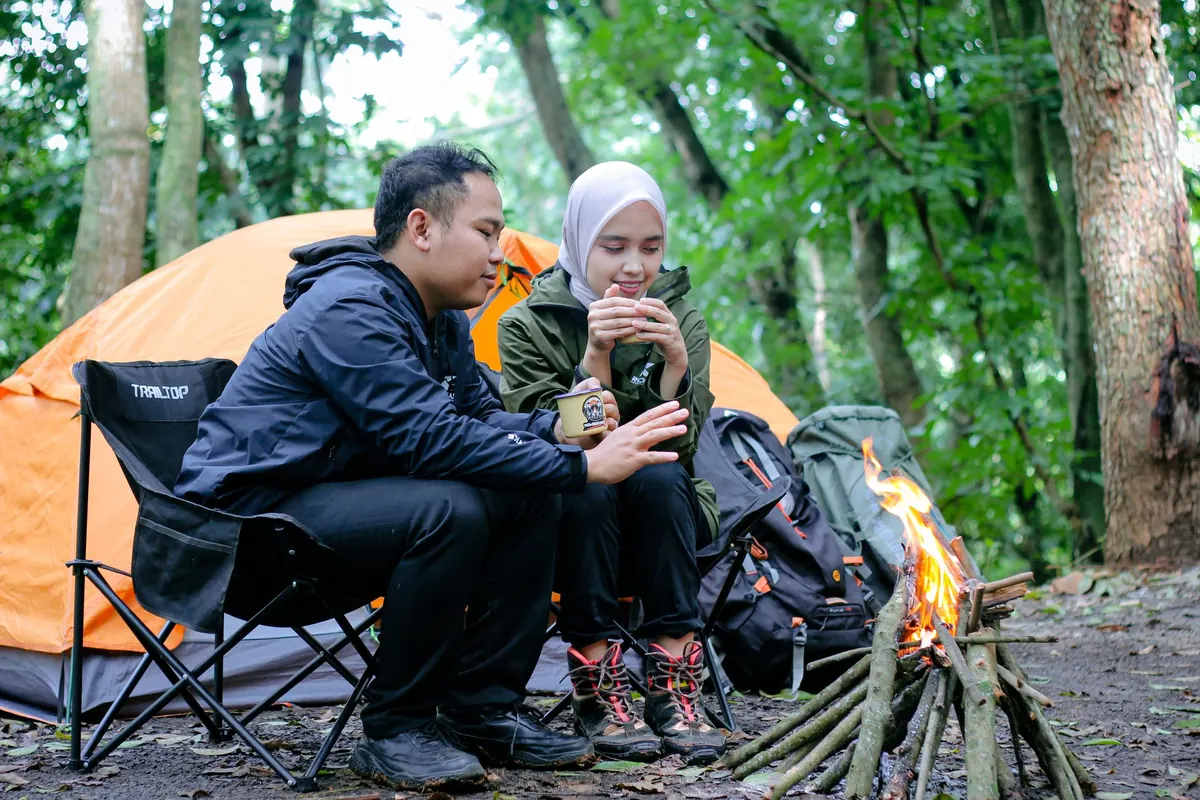
- Charged power bankPhoto: Ruly Nurul Ihsan / Pexels

You Might Also Like
A worked two-day plan for an autumn or spring weekend on the Pembrokeshire coast, pairing a cliff walk with a sheltered paddle and a campsite base — plus what to book first.
Wild camping on the coast is legal in far fewer places than most people think. Here's how to tell a pitch you can use from one that could land you in trouble.