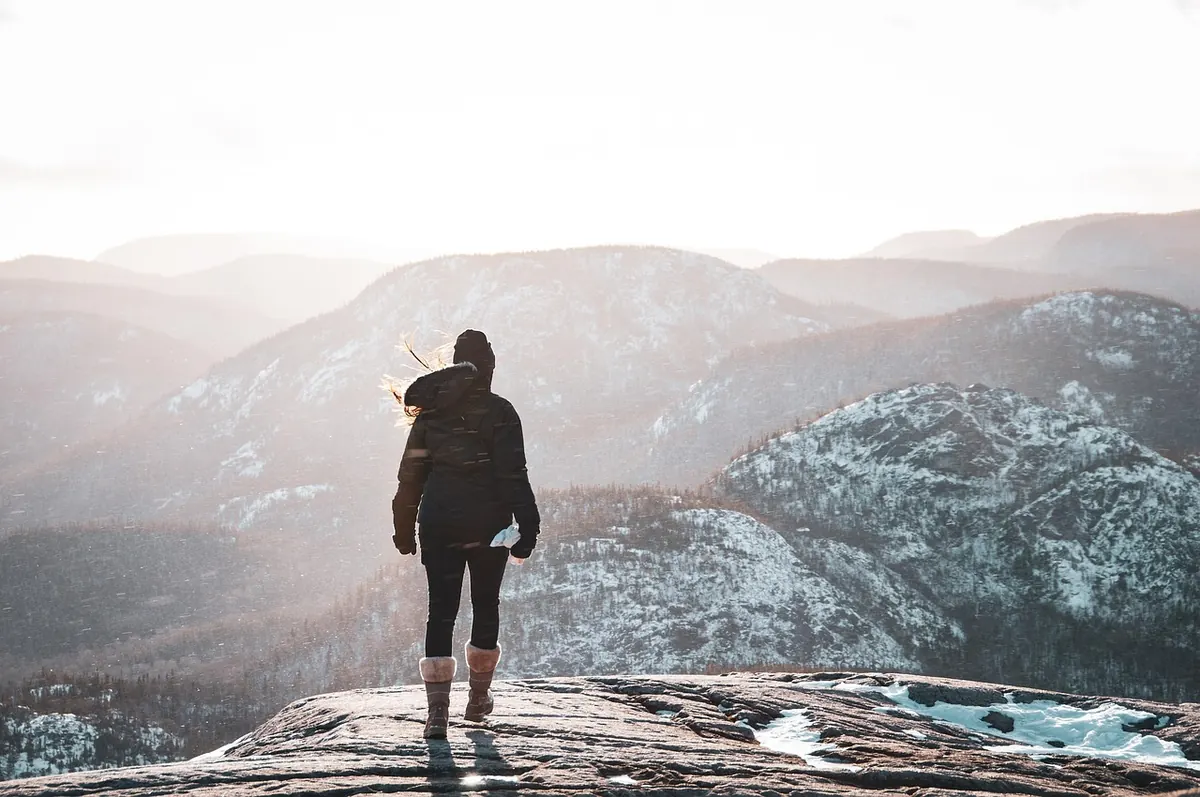
Coastal Hiking Packing Checklist: 12 Essentials for Cliff Paths
Cliff paths are generous with views and stingy with shelter. Half a mile along a headland can turn from bright sunshine into horizontal drizzle in the time it takes to eat a flapjack, and there is rarely a wall, hedge or tree to hide behind while you sort yourself out. Coastal walking is not technically difficult, but it punishes poor preparation in a way that a sheltered woodland stroll never will.
The kit that makes the difference is not complicated or expensive. It is simply specific: windproofing, waterproofing, grip, water, and a way of getting help if something goes wrong. Here is the checklist worth running through before you leave the car park.
Why coastal kit is different
Three things make the coast its own environment. The first is wind. Headlands funnel and accelerate it, and a breeze that feels pleasant in a sheltered car park can be a genuine struggle on an exposed cliff top. The second is moisture. Sea air is damp, spray coats everything, and sea fret can roll in within minutes and cut visibility to a few dozen metres. The third is escape routes. On an inland walk you can usually cut a corner or drop into a valley. On a cliff path, your only options are forward or back.
Add in the surfaces — wet rock slabs, greasy clay, loose grit, timber steps, sudden sand — and you have a walk that rewards a slightly more considered rucksack than usual.
The 12 essentials: your tick-box list
Work down this list and tick each one off. If something is missing, decide whether you are genuinely happy to go without it.
- Waterproof jacket with taped seams and a hood that stays up in wind.
- Waterproof overtrousers — preferably with full-length side zips.
- Windproof mid-layer, such as a fleece or light synthetic jacket.
- Spare warm layer, kept dry in a bag rather than loose in the pack.
- Grippy footwear — walking boots or trail shoes with deep lugs, already worn in.
- Hat and thin gloves. Yes, in summer too.
- Water: around 1.5 to 2 litres for a half-day, more in heat.
- Food you can eat with one hand, plus a spare sealed bar.
- Paper map and compass, or fully downloaded offline maps plus a paper backup.
- Phone, power bank and written emergency contact details.
- Head torch, even on a short winter afternoon walk.
- Small first aid kit including a foil blanket.
Three extras worth squeezing in if you have room: sun cream and sunglasses (coastal glare is fierce, even under cloud), a folded sit mat for lunch stops, and a trekking pole if your knees complain on steep descents.
Get the waterproofs right
A showerproof jacket is not a coastal waterproof. Look for taped seams, a hood with a stiffened peak so rain does not run down your face, and a hem you can cinch. Pit zips are worth having: you will overheat climbing steps, then cool down fast at the top.
Overtrousers are the item most people leave behind and most people regret. Full-length zips mean you can pull them on over boots without sitting down in the mud. Reproof both jacket and trousers once a season; a wash-in or spray-on treatment restores the beading that makes water run off rather than soak in.
Pack them at the top of your rucksack, not buried underneath your lunch. When the weather turns, you will want to be dressed again in under a minute.
Water, food and keeping warm
Wind and cool air hide sweat, so it is easy to drink far less than you need. Sip regularly rather than gulping at the halfway point, and refill before you set off if there is a tap at the start. On hot days, add an extra bottle and start earlier.
Cliff paths are rarely good places for a leisurely two-handed meal. You will be holding a stile, a handrail or a rock. Choose food you can eat one-handed: flapjack, nuts, dried fruit, a sausage roll, a sandwich cut in half. Keep one spare bar sealed at the bottom of the pack for the moment when the walk takes longer than planned.
Navigation, phone and emergency contact details
Mobile signal on the coast is patchy in a way that is hard to predict. It often appears on high ground and vanishes the moment you drop towards a cove. Do not build your plan around it.
Before you leave
- Tell someone your route, your start point, your car park and your expected return time — and agree what they should do if you are late.
- Write your emergency contact details on paper, along with any medical information you would want a responder to know. A phone that has died is no help.
- Check the forecast, including wind speed and direction, and check tide times if any part of your route crosses a beach, causeway or tidal section.
- Have offline maps downloaded, and know how to read a grid reference from your paper map.
In a UK coastal emergency, dial 999 and ask for the Coastguard. Many rescue teams also use what3words to pinpoint a location, so it is worth having it installed and knowing how it works before you need it. Save battery by switching to aeroplane mode in poor-signal areas rather than letting the phone hunt for a mast all day; a power bank is cheap insurance either way.
Footwear and foot care for cliff paths
Cliff paths mix rock, mud, grass, sand and timber steps in quick succession. Deep tread matters more than ankle height, though boots still help on steep, uneven descents. Avoid cotton socks — once damp, they stay damp. A thin liner under a wool or synthetic sock reduces rubbing on long days.
Deal with hot spots early. Stop, dry the foot, and apply a blister plaster before it becomes a blister. Loosen your laces slightly on long descents and tighten them on climbs; small adjustments save toes.
How to pack it all
A 20 to 25 litre daypack is usually enough for a coastal day walk. Use a rucksack liner or dry bag rather than trusting the pack's own fabric — a soaked spare layer is worse than useless. Keep heavy items close to your back and high enough to sit between your shoulder blades.
Order matters as much as weight. Waterproofs and snacks at the top. Map and compass in a pocket you can reach without taking the pack off. Spare layer in the middle, kept dry. First aid kit and foil blanket in a place you can find by feel. Every extra kilogram feels like three on the fifth set of steps.
Final checks before you set off
Boots on and laced. Water filled. Waterproofs where you can reach them. Route told to someone at home. Tide and forecast checked. Phone charged, power bank packed, emergency details on paper. If all of that is done, you can stop thinking about the rucksack and start looking at the sea.
One last habit worth building: at the end of every coastal walk, empty the pack, check what you used and what you never touched. Over a season, that small review tells you more about your own kit than any list can.
Photo: taf78 / Pixabay

You Might Also Like
A worked two-day plan for an autumn or spring weekend on the Pembrokeshire coast, pairing a cliff walk with a sheltered paddle and a campsite base — plus what to book first.
Sand, salt and a steady onshore breeze wreck kit lists built for woodland sites. Here are the fifteen things coastal first-timers most often leave at home.